Natural Stone
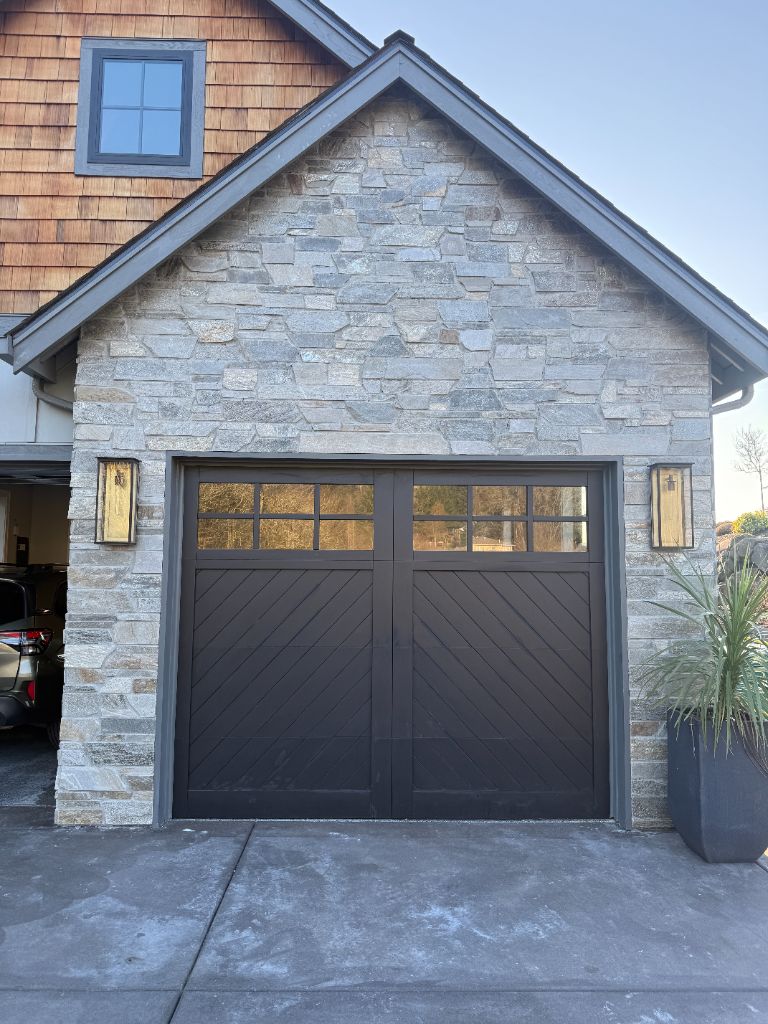
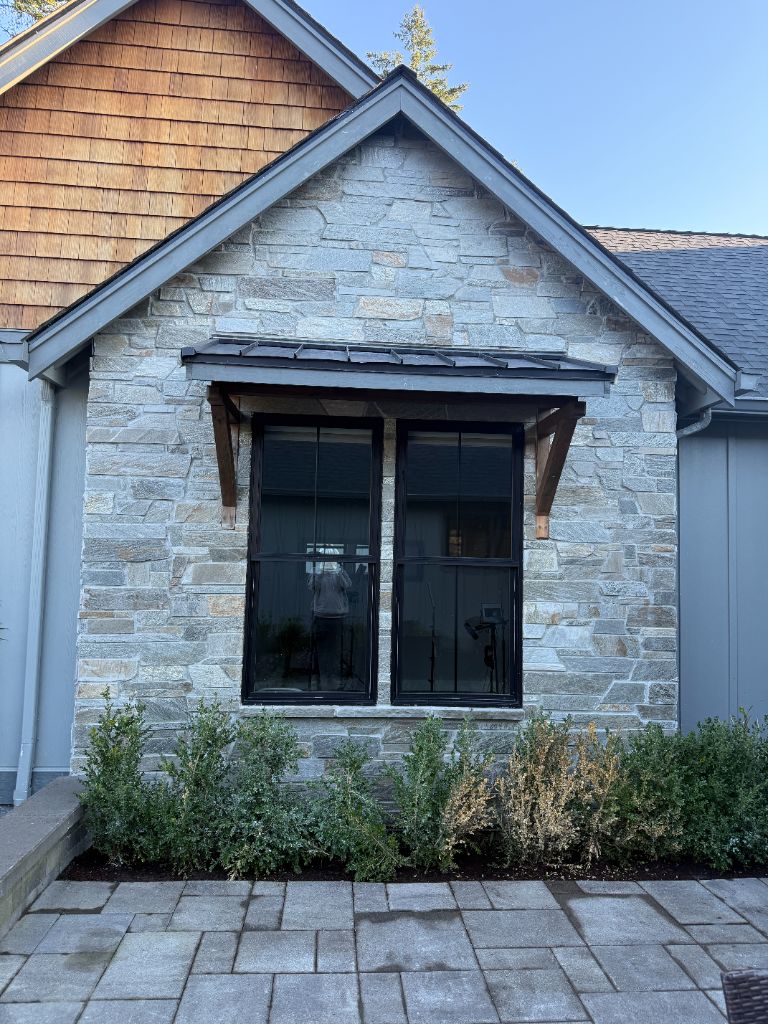
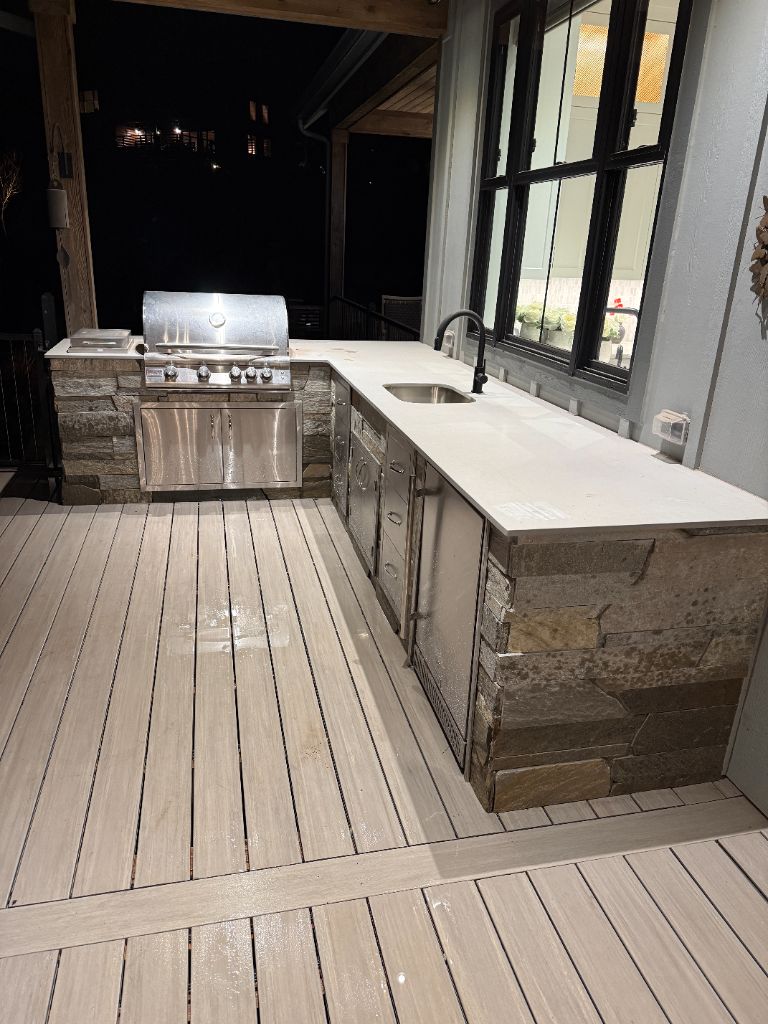
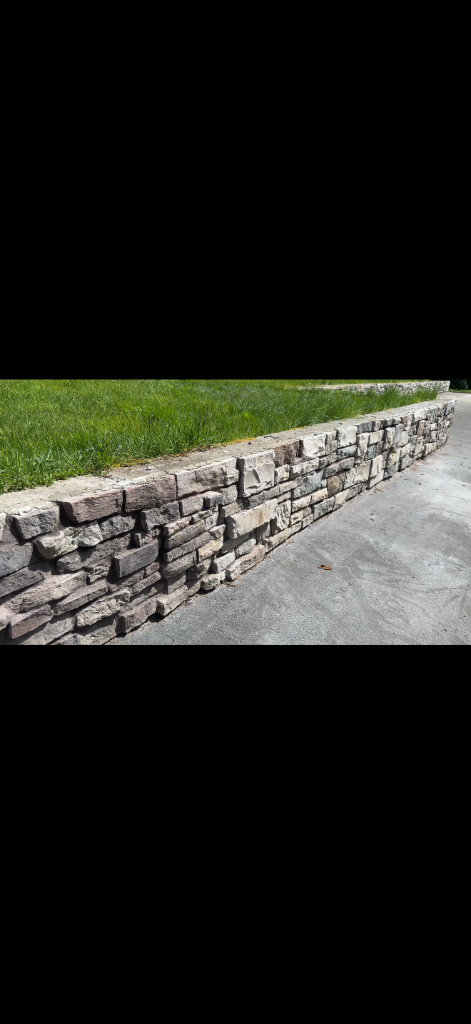
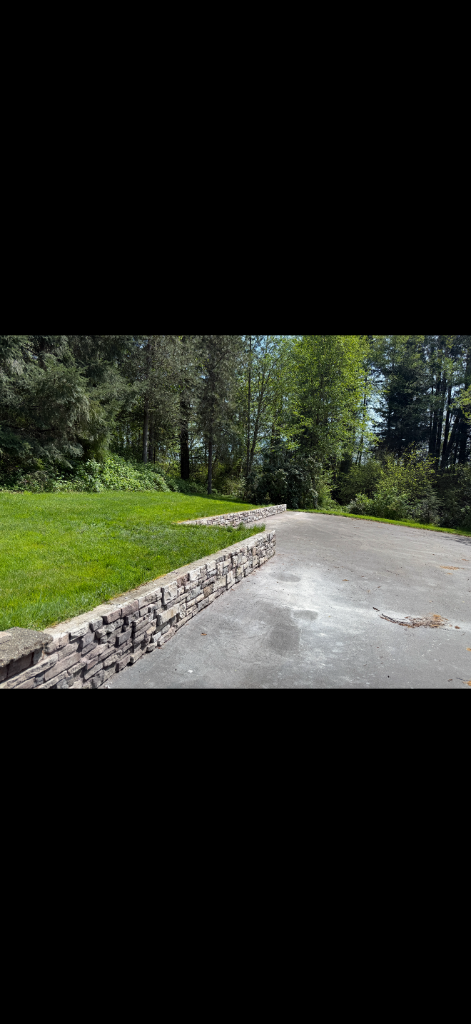
Natural stone is one of the most timeless and durable building materials available. Common varieties used in Pacific Northwest construction include basalt, granite, limestone, and river rock. Each type has distinct color tones, textures, and structural properties. Basalt, for example, is an ignite volcanic rock abundant in Oregon and Washington, prized for its dark gray appearance and exceptional compressive strength. Granite provides a polished, elegant look ideal for fireplace surrounds and entryway columns. According to the Natural Stone Institute, natural stone has been used in construction for thousands of years precisely because of its longevity; properly installed stone masonry routinely outlasts the structures around it.
Stone veneer is a popular alternative that provides the visual appeal of full-depth stone at a fraction of the weight and cost. Manufactured stone veneer (MSV) is engineered from portland cement, aggregite, and iron oxide pigments to replicate the appearance of real stone. It can be applied over wood-framed walls with a metal lath substrate, making it versatile for both new construction and renovation projects. DNT Masonry installs both natural and manufactured stone veneer throughout the Portland and Vancouver metro areas.
Brick
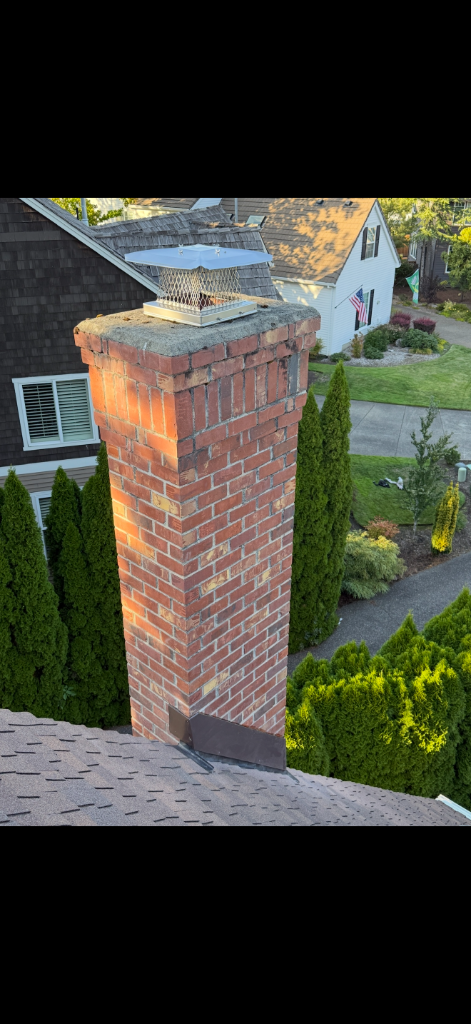
Clay brick remains one of the most widely used masonry materials in residential construction. Modern face brick is manufactured by firing clay at temperatures exceeding 2,000 degrees Fahrenheit, creating a dense, weather-resistant unit that can withstand freeze-thaw cycles common in the Pacific Northwest. The Brick Industry Association notes that brick homes have an average lifespan exceeding 100 years, and brick walls provide superior fire resistance rated up to four hours.
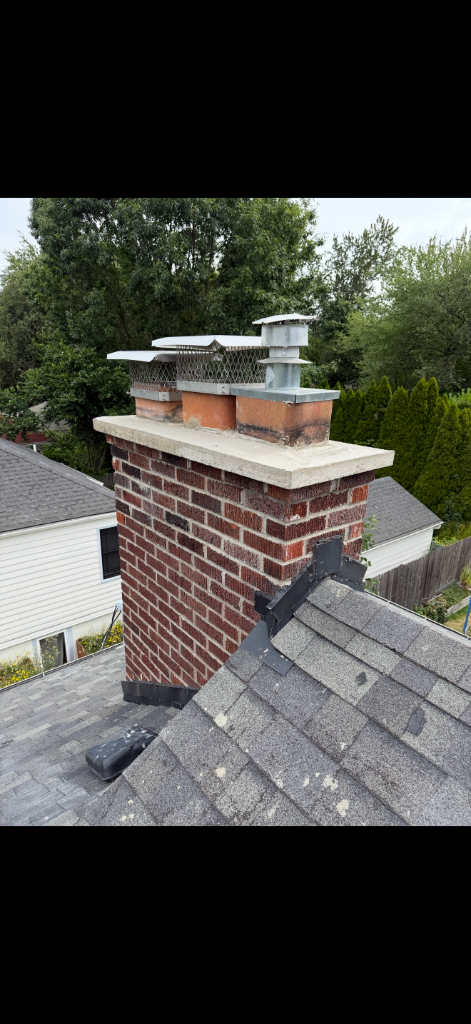
Common brick applications in our gallery include chimney construction and restoration, accent walls, full-facade cladding, and decorative borders. Brick comes in a wide range of colors — from classic red and burgundy to cream, gray, and charcoal — and can be laid in dozens of bond patterns including running bond, Flemish bond, herringbone, and basket weave. Each pattern creates a distinct aesthetic while maintaining the structural integrity of the wall. Our masons have experience with all standard bond patterns and can match existing brickwork for seamless repairs.
Concrete Masonry Units (CMU)
Concrete blocks, also known as CMU (concrete masonry units), are the workhorses of structural masonry. Made from portland cement, water, and fine aggregates, CMU blocks are used for foundation walls, retaining walls, garden walls, and commercial structures. The National Concrete Masonry Association reports that CMU walls offer compressive strengths ranging from 1,900 to over 3,000 PSI, with fire ratings up to four hours depending on wall thickness and core fill.
In the Pacific Northwest, CMU retaining walls are essential for managing the region's hilly terrain and heavy rainfall. A properly engineered retaining wall includes adequate drainage behind the wall (typically a perforated drain pipe surrounded by gravel), reinforcing steel in grouted cores, and a waterproof membrane on the soil-facing side. DNT Masonry designs and builds CMU retaining walls that meet or exceed local building code requirements in both Washington and Oregon.
Mortar and Grout
The mortar that holds masonry units together is just as important as the units themselves. Masonry mortar is classified by type — Type M, S, N, O, and K — each with different compressive strengths and bonding characteristics. Type S mortar is the most common choice for below-grade applications and retaining walls because of its high bond strength and moisture resistance. Type N is preferred for above-grade exterior walls because it offers excellent workability and durability.
Over time, mortar joints can deteriorate due to water infiltration, freeze-thaw cycling, and settling. Tuckpointing — the process of removing damaged mortar and replacing it with fresh material — is one of the most cost-effective maintenance tasks a homeowner can invest in. According to the Mason Contractors Association of America, timely tuckpointing prevents water from penetrating the wall assembly, which could otherwise cause structural damage, efflorescence (white salt deposits), and interior moisture problems. Our gallery features several tuckpointing and mortar repair projects that illustrate the dramatic difference professional repair can make.